OpenAI has quietly stacked up nearly $1 trillion in deals this year, securing computing power to run its artificial intelligence models. The scale of these agreements far outpaces its revenue and leaves many wondering how the company plans to pay for it all.
Monday’s announcement with chipmaker AMD adds to a growing list of partnerships with Nvidia, Oracle, and CoreWeave. Each deal provides OpenAI access to the massive computing resources it believes are essential to run AI services like ChatGPT.
Taken together, these deals cover more than 20 gigawatts of computing capacity roughly the energy output of 20 nuclear reactors over the next decade. OpenAI estimates that deploying 1GW of AI computing capacity costs around $50 billion at today’s prices, which makes the total commitment roughly $1 trillion.
Some of the world’s biggest tech companies are now financially tied to OpenAI’s success. Nvidia, AMD, Oracle, and others have effectively bet on the startup’s ability to become profitable and manage its mounting obligations.
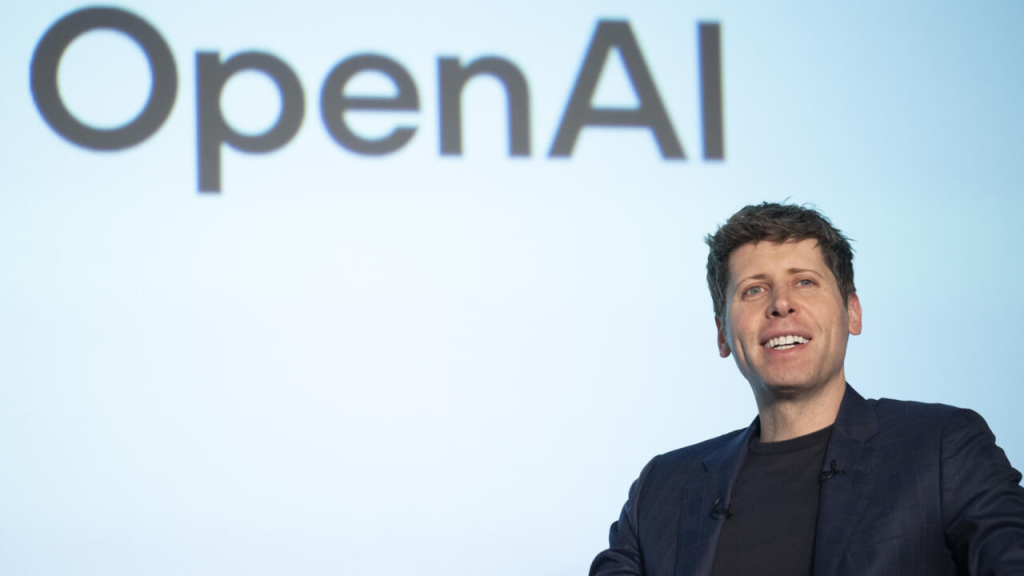
“OpenAI is in no position to make any of these commitments,” said Gil Luria, an analyst at DA Davidson. “It could lose about $10 billion this year alone. Part of Silicon Valley’s ‘fake it until you make it’ ethos is to get people to have skin in the game. Now a lot of big companies have a lot of skin in the game on OpenAI.”
The company is burning through cash at a staggering rate, spending on infrastructure, chips, and top-tier talent. Yet it still lacks the capital required to fully fund these massive projects.
The deals also involve complex financial arrangements, including circular financing between OpenAI and its partners. In many cases, the specific terms are still being finalized.
For now, OpenAI remains a high-stakes gamble for both itself and the tech giants backing it. The sheer scale of these commitments highlights the escalating arms race in AI, where access to computing power may well define the winners and losers of the next decade.