
For the first time in two years, the guns might finally fall silent over Gaza. After months of quiet negotiations, bursts of violence, and repeated diplomatic setbacks, Israel and Hamas have agreed to a deal that could end one of the bloodiest conflicts in recent memory.
The agreement, brokered by the United States and Qatar, centers on the release of all hostages held by Hamas since the October 2023 attacks. In exchange, Israel will free nearly 2,000 Palestinian prisoners and pull back its troops from parts of the Gaza Strip. Both sides have confirmed the deal, which they describe as the first step toward what they cautiously call “lasting peace.”
Donald Trump, who returned to the White House earlier this year, announced the news himself in a post late Wednesday. “This means that ALL of the Hostages will be released very soon,” he wrote, calling the agreement “the first step toward a Strong, Durable, and Everlasting Peace.” His words struck a tone somewhere between triumph and restraint, a rare moment of optimism in a war that has defied diplomacy for years.
The Deal That Almost Didn’t Happen
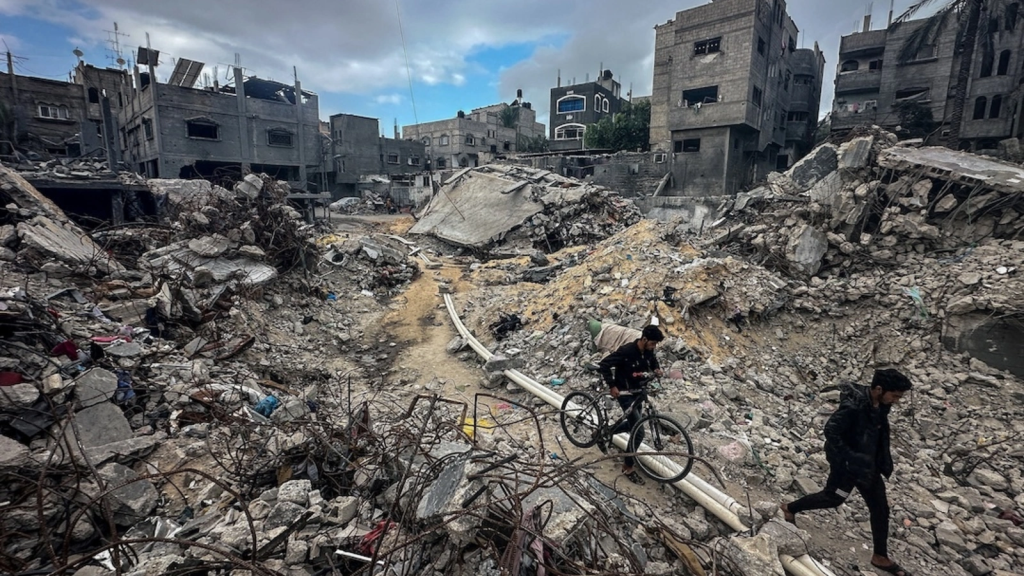
The road to this point has been brutal. Hamas’s attack on October 7, 2023, killed about 1,200 people inside Israel. It was the deadliest single day in the country’s history. The assault triggered a devastating military campaign that killed more than 66,000 Palestinians, according to the Gaza Health Ministry, and destroyed most of the strip’s infrastructure. Entire neighborhoods vanished under rubble. Famine took hold. The war spilled beyond Gaza’s borders, with Houthi strikes in the Red Sea, Israeli bombardments in Lebanon, and direct clashes with Iran.
Behind the scenes, negotiations flickered and failed countless times. Every truce seemed to collapse under the weight of mistrust. Hamas refused to disarm or recognize Israel. Israel vowed to eradicate Hamas entirely. Mediation by Egypt, Qatar, and Turkey often stalled at the same question: who could guarantee that either side would actually keep its word?
Trump’s re-entry into the talks changed the dynamic. His administration’s new 20-point “Peace Plan,” released just a week ago, framed the conflict in transactional terms. It offered both sides political wins: Israel would get its hostages back, while Hamas would secure the release of prisoners and the promise of Israeli withdrawal from central Gaza. For Trump, the deal was a chance to demonstrate diplomatic authority after a divisive return to power.
Whether the plan can survive its own success is another question.
Trump Steps Back Into the Middle East
For months, Trump’s foreign policy team, led by Jared Kushner and businessman Steve Witkoff, quietly worked with Qatari and Egyptian mediators. Their focus was narrow: find a formula that gave both Israel and Hamas something tangible enough to claim victory.
Trump has been unusually direct about his own involvement. On Wednesday, he told reporters he might travel to the Middle East “toward the end of the week.” He later told Axios he was likely to visit both Egypt and Israel and might even address the Knesset. “They want me to give a speech at the Knesset and I will definitely do that if they want me to,” he said.
The symbolism is deliberate. Trump wants to be seen not just as a negotiator but as the dealmaker who brought the war to an end. In his conversation with Israeli Prime Minister Benjamin Netanyahu, he described the moment as “a great achievement.” Netanyahu responded in kind, calling it “a great day for Israel.”
It was an image few could have imagined just a year ago: Trump, Netanyahu, and the leadership of Hamas—three forces with little trust between them—all publicly agreeing on anything.
What the Agreement Includes
According to officials briefed on the negotiations, the first phase of the deal includes:
• The release of around 20 surviving hostages and the return of more than two dozen bodies of those who died in captivity.
• The release of approximately 2,000 Palestinian prisoners from Israeli jails.
• A phased Israeli troop withdrawal to an agreed-upon line inside Gaza.
• The reopening of key aid corridors to resume humanitarian assistance.
Hamas, in a statement posted to its Telegram channel, said the agreement would “end the war on Gaza, ensure the withdrawal of the occupation forces, allow the entry of aid, and facilitate a prisoner exchange.” The group acknowledged the role of the mediators—Qatar, Egypt, and Turkey—and, in an unexpected gesture, thanked Trump personally.
Hamas’s tone was unusual. It referred to “the efforts of US President Donald Trump,” language that would have been unthinkable a few months ago. Yet the group was careful to restate its broader goals, saying it would “never relinquish our people’s national rights until freedom, independence, and self-determination are achieved.”
For Israel, the deal brings long-awaited relief for the families of the hostages who have spent nearly two years waiting. Protests demanding their release have become a fixture of Israeli public life, putting immense pressure on Netanyahu’s coalition government.
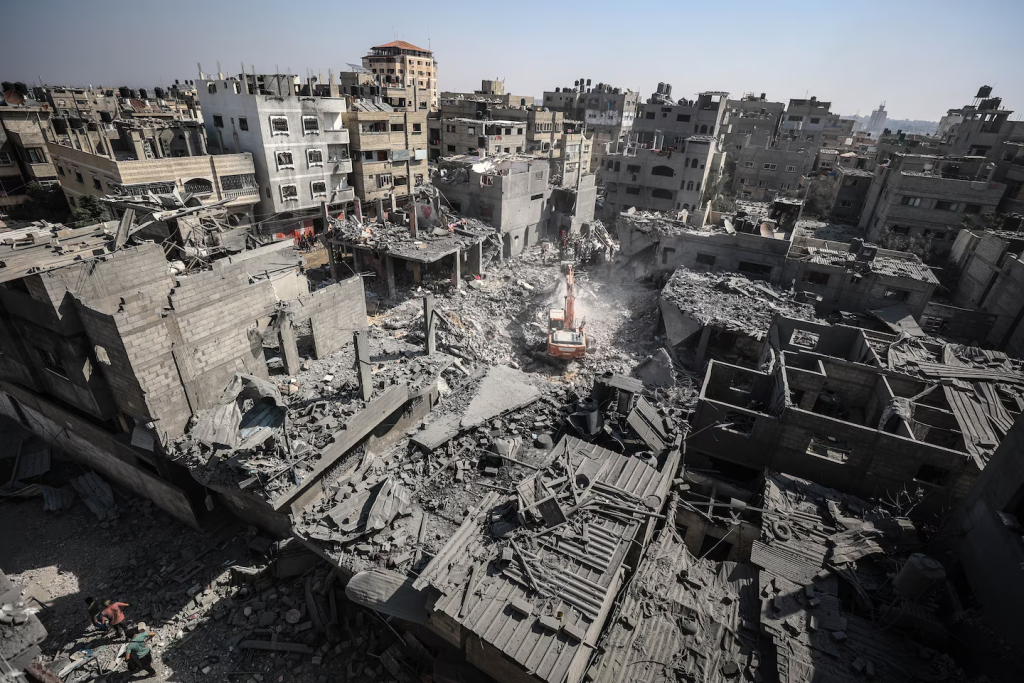
Gaza in Ruins
The physical toll of the war is almost beyond description. Gaza City, once dense and noisy with life, now lies shattered. Satellite imagery shows entire districts erased. Hospitals function with little electricity and fewer supplies. The United Nations has warned that parts of Gaza have suffered famine-level hunger for months.
The destruction has reshaped Palestinian politics, too. The Palestinian Authority, based in Ramallah, has struggled for relevance. Its control is limited to parts of the West Bank. Many Gazans view it as weak or complicit. Trump’s proposal calls for a reformed Palestinian Authority to govern Gaza under a “Board of Peace” chaired by the US president himself. Hamas opposes this, rejecting what it sees as foreign interference.
That tension could derail the next stage of the plan. For now, though, both sides seem willing to pause the fighting.
The Human Cost and the Political Gamble
Every Israeli and Palestinian knows someone who has lost a relative or a home. For some, the agreement feels like a moral necessity. For others, it feels like betrayal.
Within Israel’s government, nationalist ministers are already warning Netanyahu not to release prisoners “with blood on their hands.” In Gaza, many Hamas supporters see the prisoner exchange as a victory. Still, the wounds are too deep for either side to claim a clear win.
Analysts are cautious. Yousef Munayyer, head of the Palestine/Israel Program at the Arab Center Washington DC, said the deal could collapse before the first phase is complete. “There’s plenty of reason to be skeptical here about whether this would not make it past its initial stage,” he said.
That skepticism runs through both capitals. Israelis fear that Hamas will regroup and rearm once troops pull back. Palestinians fear that Israel will stop short of full withdrawal or delay aid shipments. Every previous ceasefire has followed that same pattern: a brief calm, then renewed bloodshed.
The Shadow of Iran
The conflict never stayed confined to Gaza. Over the past two years, Israel and Iran have exchanged missile strikes. Hezbollah, the Iranian-backed militia in Lebanon, has launched thousands of rockets across the border. The United States has targeted parts of Iran’s nuclear infrastructure, claiming the strikes were defensive.
A real ceasefire in Gaza could lower tensions across the region, but it won’t erase the rivalries fueling them. Tehran has not commented on the new deal, but Iranian state media called it “a political maneuver designed to serve Trump’s image.” Israel’s military, meanwhile, remains on high alert in the north.
Fragile Peace
Sharm El-Sheikh, the Egyptian resort where the final talks took place, has hosted peace summits for decades. Yet few have carried stakes this high. Delegations from Israel, Hamas, Qatar, Egypt, and the United States met for three straight days, alternating between cautious optimism and bitter silence.
Officials close to the process describe the moment the agreement was signed as “quiet and tense.” There were no handshakes for the cameras. Just signatures, nods, and an understanding that peace if that word even applies would depend on what happens next.
What Comes Next
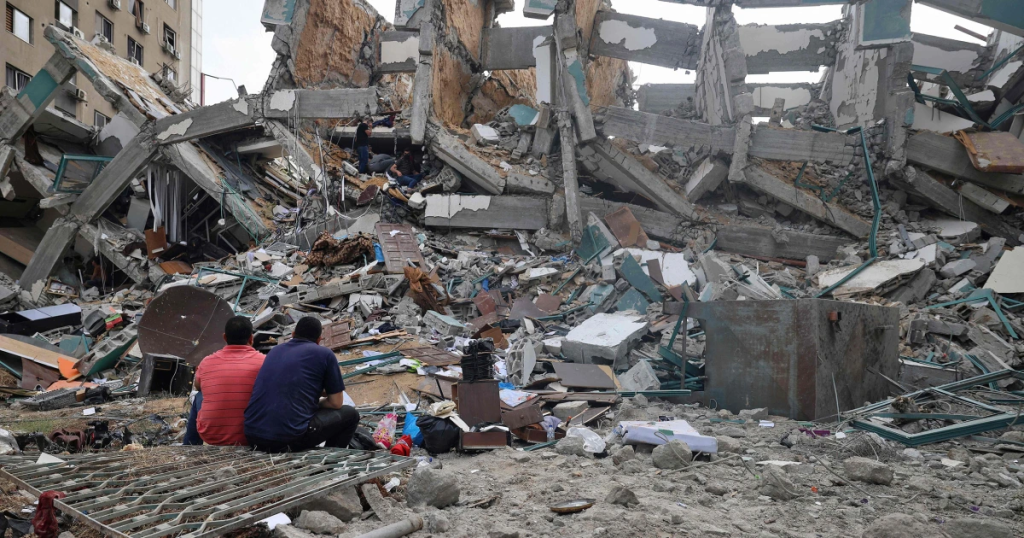
The next phase could prove even harder than the first. Negotiators must finalize the list of Palestinian prisoners to be freed, decide the timing of troop withdrawals, and oversee aid delivery in a devastated territory.
Trump’s team insists that the deal will hold. In private, Israeli officials admit they’re unsure. The war has reshaped their politics. Netanyahu’s coalition, already fragile, faces opposition from both moderates and ultranationalists. In Gaza, Hamas’s leadership must now decide whether to prioritize reconstruction or resistance.
Still, even a temporary halt in the fighting is something rare a pause long enough for families to grieve, bury their dead, and see a faint outline of hope.
For now, that’s what people cling to.
A woman in Khan Younis told Al Jazeera she had lost her husband, two children, and her home. “If this means the bombing stops, even for a day,” she said, “then maybe I can sleep without fear.”
Her words, simple and weary, capture the fragile meaning of peace in Gaza. It’s not about victory. It’s about survival.
And if this deal holds, even for a while, it might be enough to remind both sides that peace, no matter how uncertain, still begins with a choice to stop fighting.